Diabetes in Scientific Perspective: Understanding Types, Diagnosis, and Management
Introduction: Diabetes in Scientific Perspective
Diabetes Mellitus is a group of chronic metabolic disorders characterized by elevated blood glucose levels. This occurs either when the pancreas fails to produce enough insulin or when the body’s cells cannot effectively utilize the insulin that is released.
According to World Health Organization statistics, the global number of people living with diabetes rose from approximately 200 million in 1990 to around 830 million in 2022. For further details and access to medical research updates, you may follow developments on health platforms or review the official WHO report.
Main Types of Diabetes
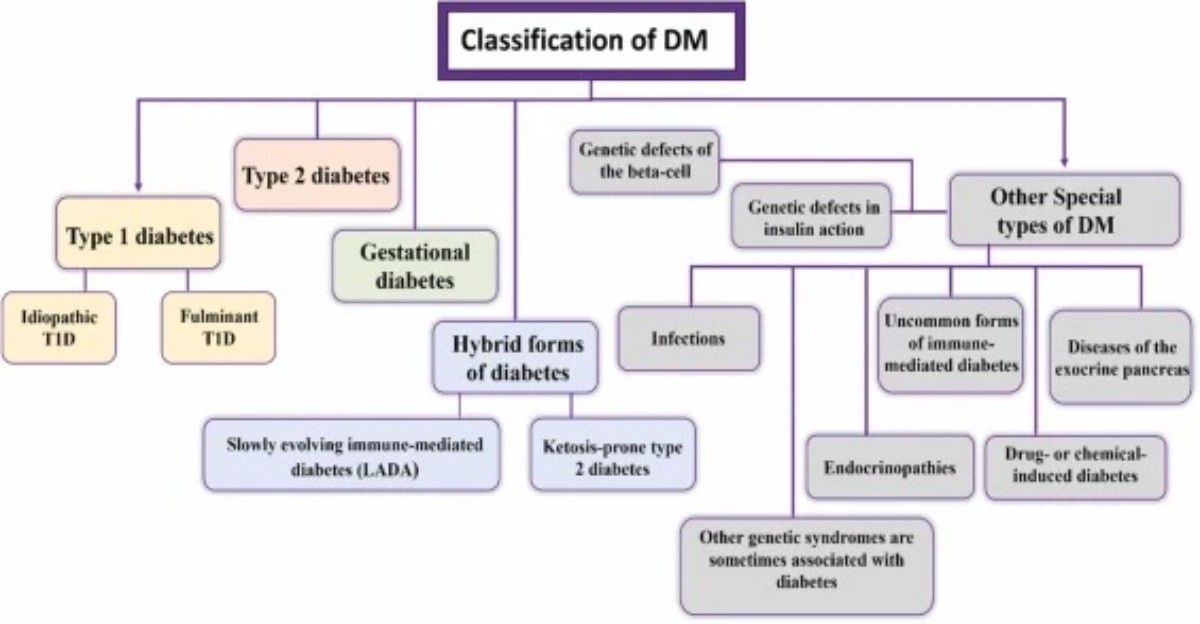
Type 1 Diabetes
This is an autoimmune disease in which the immune system attacks and destroys the beta‑cells of the pancreas, leading to a complete halt in insulin production.
It most commonly appears in children and adolescents and requires continuous insulin injections or insulin pump therapy.
Type 2 Diabetes
This type accounts for roughly 90–95 % of all diabetes cases worldwide.
It develops due to insulin resistance combined with insufficient insulin secretion to overcome this resistance; it is strongly linked to obesity, physical inactivity, and genetic factors.
Gestational Diabetes
This condition appears in some women during pregnancy due to hormones released by the placenta. It usually resolves after childbirth, yet it increases the risk of developing Type 2 diabetes later in life.
Common Symptoms
Symptoms of high blood sugar typically emerge once levels exceed normal limits and may include:
- Extreme thirst and persistent dryness
- Frequent urination (especially at night)
- Constant hunger, fatigue, and general exhaustion
- Unexplained weight loss (especially in Type 1)
- Blurred vision
- Slow wound healing and increased susceptibility to infections
Diagnosis and Laboratory Criteria
Diabetes is diagnosed using these standard blood tests:
- Fasting Blood Glucose: Normal is below 100 mg/dL; 126 mg/dL or higher indicates diabetes.
- HbA1c (Glycated Hemoglobin): Normal is below 5.7 %; 6.5 % or higher indicates diabetes.
- Random Blood Glucose: A level of 200 mg/dL or higher together with clear symptoms suggests diabetes.
Long‑Term Health Complications
Failing to control blood sugar levels can lead to serious systemic complications:
- Vascular damage and cardiovascular disease: increased risk of heart attack and stroke
- Nephropathy (kidney disease): damage to tiny kidney blood vessels that may progress to kidney failure
- Retinopathy: damage to blood vessels in the eye that can threaten vision
- Neuropathy: tingling, numbness, and loss of sensation in the extremities (diabetic foot)
Prevention and Disease Management
- Lifestyle adjustments: Follow a diet rich in fiber while limiting simple sugars and trans fats
- Physical activity: Aim for at least 150 minutes weekly (approximately 30 minutes per day)
- Weight control: Losing roughly 7 % of excess weight significantly reduces the risk of prediabetes progressing to Type 2 diabetes
- Medication therapy: May include oral tablets such as metformin, newer agents like GLP‑1 receptor agonists and SGLT2 inhibitors, or insulin therapy when needed
Disclaimer: This content is for educational and informational purposes only and does not constitute medical advice, diagnosis, or treatment. Always consult a qualified healthcare provider for evaluation, diagnosis, and personalized treatment plans.
Useful Links:
https://tech.nashs.online
https://nashs.online
https://fast-convert.net