
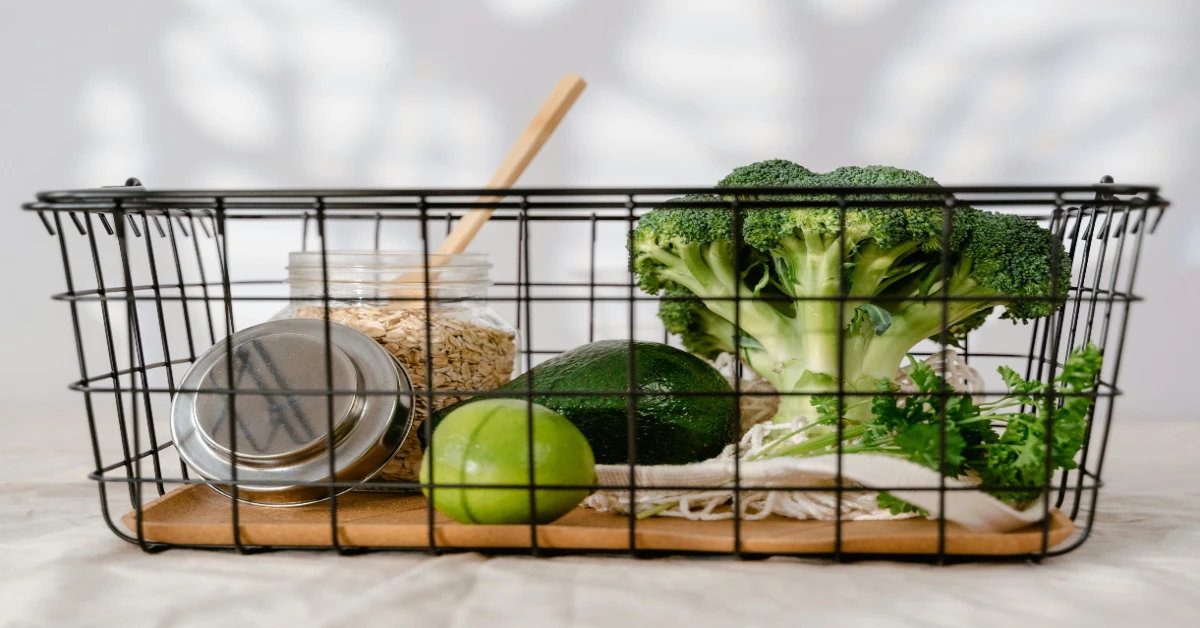
Best Soluble Fiber Foods: A Practical Guide for Better Digestion and Heart Health
Soluble fiber is one of the most valuable nutrients you can add to your diet because it supports digestion, helps manage cholesterol, and can improve blood sugar control. The best sources are everyday foods such as oats, beans, lentils, apples, pears, citrus fruits, carrots, and chia seeds, and they can be combined easily in meals throughout the day.
What Soluble Fiber Does
Soluble fiber dissolves in water and forms a gel-like substance in the digestive tract. This slower movement of food through the stomach can help you feel full longer, support steadier blood sugar levels, and reduce LDL cholesterol in some people.
Unlike some other nutrients, fiber is often missing from modern diets even though it plays a major role in long-term health. Nutrition references note that increasing fiber intake is a simple, effective step for improving overall diet quality.
Best Food Sources
Oats are one of the most reliable sources of soluble fiber, especially because they contain beta-glucan, a type linked to heart health. Barley is another excellent grain choice and is often recommended in high-fiber eating plans.
Legumes are among the richest options. Beans, lentils, chickpeas, and black beans provide both soluble and insoluble fiber, making them especially useful for digestive health and satiety. WebTeb notes that black beans, for example, are rich in pectin and contain a meaningful amount of soluble fiber per serving.
Fruit is another smart choice. Apples, pears, citrus fruits, and avocados all contribute soluble fiber, especially when eaten with the edible parts of the fruit intact. Pears and apples are popular because they are easy to add to breakfast, snacks, or desserts.
Vegetables also matter. Carrots, sweet potatoes, broccoli, and Brussels sprouts contain useful amounts of fiber, and they help build a more balanced high-fiber plate. These foods work best when they are part of a varied diet instead of being treated as a single “superfood.”
Seeds such as chia and flaxseed are also strong choices. They are convenient to sprinkle over yogurt, oats, or smoothies, and they make it easier to increase fiber without changing your whole eating pattern.
Top Choices Table
Here is a simple way to think about the strongest sources of soluble fiber:
Health Benefits
Soluble fiber may help lower cholesterol by binding with certain compounds in the digestive system and reducing their absorption. It can also slow digestion, which helps prevent sharp rises in blood sugar after meals.
It also supports gut health by feeding beneficial bacteria in the colon. A healthy gut microbiome is increasingly linked with better digestion, better immune balance, and improved overall wellness.
Another practical benefit is satiety. Because soluble fiber forms a gel-like texture in the stomach, it can help people feel satisfied with smaller portions, which may support weight management when combined with a balanced diet.
How To Eat More
The easiest way to increase soluble fiber is to build it into meals you already eat. You can start breakfast with oatmeal and fruit, add beans or lentils to lunch, and include vegetables and seeds at dinner or in snacks.
A gradual increase is usually better than a sudden jump, because too much fiber too quickly can cause bloating or discomfort. Drinking enough water also helps fiber work properly in the digestive system.
For readers who want to save a nutrition handout or create a printable diet guide, FastConvert’s Text to PDF and PDF to Text tools can be useful for converting article drafts and meal plans into shareable formats. The site also offers Compress PDF and Image to PDF tools that fit naturally into content workflows.
SEO Article Draft
Best Foods Rich in Soluble Fiber
Soluble fiber is an important part of a healthy diet because it supports digestion, helps reduce cholesterol, and may improve blood sugar control. Unlike fats or proteins, fiber is not fully digested by the body, but it plays a powerful role in keeping the digestive system healthy and efficient. Adding more soluble fiber to your meals can be a simple way to improve daily nutrition without making major changes to your diet.
Some of the best foods rich in soluble fiber include oats, barley, beans, lentils, apples, pears, citrus fruits, carrots, sweet potatoes, chia seeds, and flaxseed. These foods are easy to find, affordable, and flexible enough to use in many recipes. Oats, for example, are especially well known for their soluble fiber content, while beans and lentils provide a strong mix of fiber and plant-based protein.
One reason soluble fiber is so valuable is that it forms a gel-like texture when mixed with water. This slows digestion and helps the body absorb nutrients more gradually. As a result, people often feel full for longer after eating foods rich in soluble fiber. This may be helpful for anyone trying to control appetite or maintain a balanced eating pattern.
Soluble fiber is also associated with heart health. Certain types, such as beta-glucan found in oats and barley, may help lower LDL cholesterol. This is one reason nutrition experts often recommend whole grains and legumes as part of a heart-friendly diet. In addition, soluble fiber may help stabilize blood sugar after meals, which is useful for people who want to avoid energy crashes.
Fruits and vegetables are another excellent source of soluble fiber. Apples and pears are especially popular because they are easy to eat as snacks or add to breakfast. Carrots, broccoli, and sweet potatoes also contribute fiber while providing vitamins and antioxidants. Seeds like chia and flaxseed are small but powerful additions that can increase fiber intake quickly.
To get the best results, it is wise to increase fiber gradually and drink enough water throughout the day. This helps prevent bloating and allows the digestive system to adapt more comfortably. A simple daily plan might include oatmeal at breakfast, lentil soup at lunch, fruit as a snack, and vegetables with dinner.
In conclusion, the best foods rich in soluble fiber are not rare or expensive. They are common, practical, and easy to include in everyday meals. Oats, beans, lentils, fruits, vegetables, and seeds can all help support digestion, heart health, and overall wellness when eaten regularly as part of a balanced diet.
Internal Link Ideas
Natural internal links you can place in the article: